The story of how we cook and teach
Born from a simple belief that cooking should be taught as a craft, not a collection of memorized steps.
It started in 2014 with a single question: why do cooking classes focus so much on recipes and so little on understanding? That disconnect led to the first workshop—eight people in a shared kitchen space, learning why browning happens before they learned what to brown.
The response surprised us. People didn't want more recipes. They wanted to understand the logic behind cooking so they could create their own.
Philosophy over formulas
Traditional culinary education follows a rigid path: technique demonstration, student replication, evaluation against standards. This works for professional kitchens that need consistency. But for people cooking at home, it creates dependency on exact measurements and specific ingredients.
Our approach inverts this. We start with principles: what heat does to proteins, how salt affects texture, why acid balances fat. Once these foundations are clear, students naturally begin to experiment, adjust, and create without needing constant guidance.
This doesn't mean we skip technique. Precision matters. But we teach technique as a tool for expressing understanding, not as an end in itself.
The team
Our instructors come from diverse backgrounds—restaurant kitchens, food science research, pastry programs, home cooking traditions passed through generations. What unites them is the ability to explain complex processes in ways that make immediate sense.
Small class sizes mean you'll work directly with instructors who remember your name, track your progress, and adjust their teaching to your learning style.

The space we work in
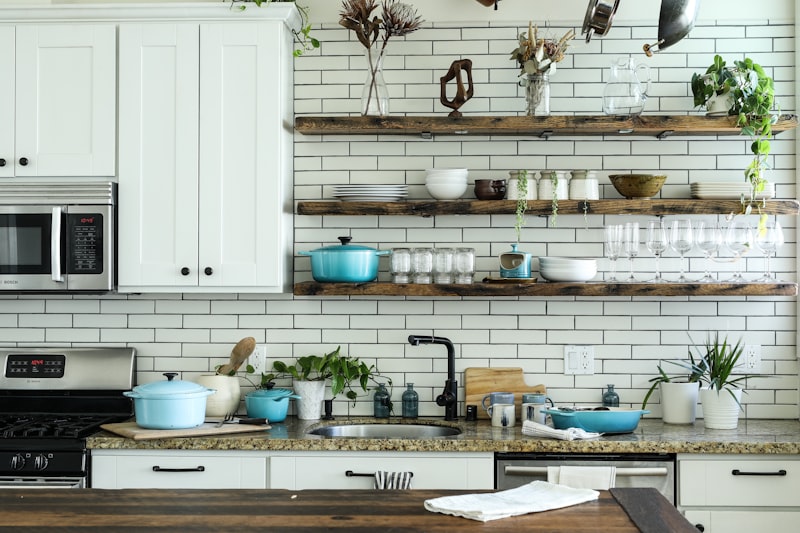
Our teaching kitchen in South Melbourne is designed around functionality, not aesthetics. Commercial-grade equipment, ample prep space, and proper ventilation create an environment where you can focus on learning rather than working around limitations.
For private sessions and dining experiences, we work in your chosen location, bringing equipment and expertise to create the same quality of experience without requiring you to travel.
What success looks like
We don't measure success by how well students can replicate our dishes. We measure it by what they cook when they leave—whether they feel confident experimenting, whether they understand what went wrong when something fails, whether they've stopped relying on recipes for everyday meals.
Many students return for advanced workshops after completing foundational courses. Others simply send photos of meals they've created using principles rather than instructions. Both represent the same outcome: cooking has become intuitive rather than stressful.
Ongoing evolution
The culinary world changes constantly. New techniques emerge, ingredient availability shifts, dietary considerations evolve. We adapt our curriculum continuously, integrating what's valuable while maintaining focus on timeless fundamentals.
Recent additions include modules on fermentation, plant-based protein cookery, and zero-waste kitchen management—not as trends, but as expansions of core principles applied to current contexts.
Ready to start learning?
Explore our current workshop schedule and private session options.
View services